Showing posts with label Medical. Show all posts

8 Unbelievable Medical Conditions

We are all different from one another in many ways but on some level we are all like one another. But the people on this list are different from the rest of us. But they have something in common. They all suffer from rare medical conditions that seem too weird to be real. However, the reality is that they are different but they found a way to cope with their unorthodox condition. Being unique is not always the thing one would wish upon himself/ herself but when you are, you have to make the best of it.

The Girl that Collapses Every Time She Laughs

Unbelievable Medical Conditions

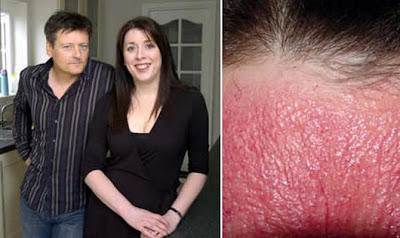
Kay Underwood collapses every time she laughs. She has cataplexy, the sudden weakening of the muscles brought on by strong emotions. It can be caused by laugh, anger, and even smugness. Doctors do not know the cause of this disease.

The Man Who Cannot Get Fat

Unbelievable Medical Conditions

Mr. Perry 59 ate all that he could, he ate pies, burgers and desserts never had to worry about calories. The reason for this is that he suffers from a condition lipodystrophy that makes his body rapidly burn fat. He lost weight rapidly when he was 12 and couldn’t gain enough weight to get fat again. Because of his condition, his body burns calories at fast rate.

Unbelievable Medical Conditions

The Boy Who Couldn’t Sleep… for Years

Unbelievable Medical Conditions

Rhett Lamb is like any other boy in all respects except for one. He cannot sleep. He stays awake torturing his parents with insomnia 14 hours a week every day of the year. His parent’s couldn’t figure out why that was so. After a series of tests he was diagnosed with an extremely rare medical condition called chiari malformation. It is a case when one’s brain literally is squeezed into the spinal column.

Unbelievable Medical Conditions

The Woman Who is Allergic to Modern Technology

Unbelievable Medical Conditions

Most of us couldn’t do without modern technology that is supposed to make our lives easier. However, Debbie Bird would disagree on that last bit. She is allergic to technology. She gets a severe rash around here eyes when she is near cell phones, microwaves, computers and in the range of electromagnetic fields. It must be a living nightmare passing the people in the street on their cell phone or even when she’s in a car (since she’s allergic to some cars). She is the living proof that modern technology is bad for you.

She Can only Eat Tic Tacs


Unbelievable Medical Conditions

Natalie Cooper is a 17 year old girl who can eat only Tic Tacs. Anything else she eats makes her sick to her stomach so Tic Tacs mints are the only ‘’food‘’ her stomach can digest. The rest of nutritious ingredients she gets from a specially formulated feed through a tube.

The Girl Who is Allergic to Water

Unbelievable Medical Conditions

Another unbelievable condition on our list is the one Ashleigh Morris is suffering from. She suffers from Aquagenic Urticaria, a disorder that disables her from getting in any kind of contact with water, like bathing, swimming etc. She’s even allergic to her own sweat and gets a rash every time. Despite that our bodies are made of 80% water, it seems that her skin is allergic to it. What a bummer. I wonder how she bathes.

The Man Who Doesn’t Feel Cold

Unbelievable Medical Conditions

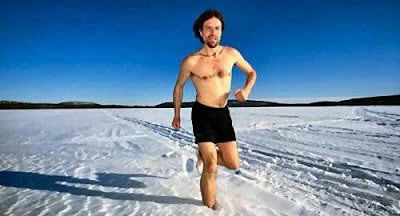
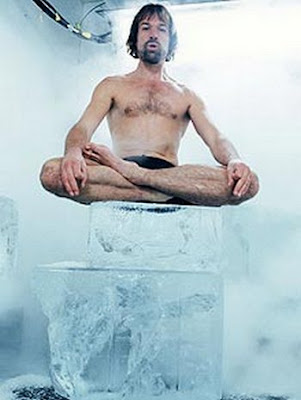
Wim Hof aka The Ice Man can stand in the ice cold weather without feeling cold. This Dutchman swam under ice, climbed the Mont Blanc wearing nothing but shorts and is also a world record holder. There is no logical explanation for his state, but I cannot help but wonder, who wouldn’t like to walk naked in the winter?

Unbelievable Medical Conditions

The 200 Orgasms per Day Woman

Unbelievable Medical Conditions


Source

Weird Things - Illegal Drugs Are Good Medicine For Health

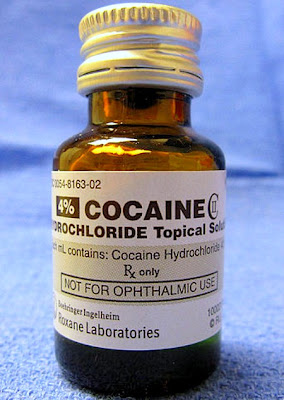
Cocaine And The Coca Plant: A Topical Anesthetic, Laxitive, and Motion Sickness Medicine
Illegal Drugs

Long before rock stars started doing lines off of super model's breasts, cocaine was once widely hailed as a wonder drug that could be used to cure everything from headaches to alcoholism to hay fevers. While modern medicine has discovered much safer treatments for most of these conditions, the drug is still occasionally used as a topical anesthetic for eye, nose and throat surgeries. It has recently also been used as a topical treatment applied to upper palate of those who suffer from severe cluster headaches.
Although scientists have largely accepted that the use of cocaine in the medical field is outweighed by the risks, the same is not true of the coca plant, where cocaine is derived from. Unlike cocaine, the plant contains multiple alkaloids (cocaine is made of only one) and is prone to less abuse because it must be consumed orally.
Research on the medical uses of coca leaves has been rather limited, but Andean cultures have used the leaves for medicinal purposes for centuries. One American physician, Andrew Wiel, believes these cultures may be on to something and suggests that coca leaves may be able to treat motion sickness, laryngitis, constipation and obesity.

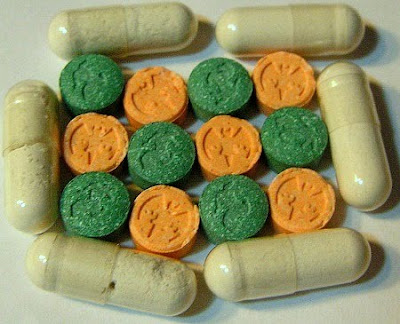
Ecstasy: Reduces Anxiety, Eases Parkinson's Symptoms and Treats PTSD
Illegal Drugs

The MDMA chemical compound that makes ecstasy so blissful to partygoers may also be useful in treating anxiety disorders. While formal studies have not yet been conducted, psychologists from the Norwegian University of Science and Technology argue that when combined with immersion therapy, the drug's ability to release oxytoxin levels could make MDMA an ideal drug to use with a complete treatment program. They sum up their theory by saying, “MDMA has a combination of pharmacological effects that, in a therapeutic setting, could provide a balance of activating emotions while feeling safe and in control.”
The drug may also be able to treat Parkinson's disease through the release of serotonin levels. While researchers still do not understand how the treatment works, it has proven effective in studies using mice and one Parkinson's sufferer, ex-stuntman Tim Lawrence, who has shown notable improvement in his condition. He is able to go from barely being able to move to being able to perform somersaults and cartwheels shortly after taking one dose of the drug.
Victims of Post Traumatic Stress Disorder (PTSD) are also showing a positive response to treatments involving ecstasy. Psychologists who performed a study using therapy and MDMA found the drug gave them a window of time where the patient experienced fewer fear responses and could adequately handle the therapy that is critical to work through their condition.

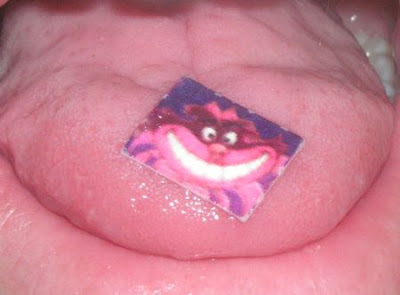
LSD: Cures Addiction, Treats Depression and Stops Cluster Headaches
Illegal Drugs

Many people know in the fifties and sixties, the government experimented with LSD to test its properties as an agent of war, but few people know that the psychiatric community also took interest. Studies in the fifties showed that using LSD to treat alcoholism resulted in a 50% success rate -shocking compared to the 10% success rate from Alcoholics Anonymous. Scientists in Baltimore have recently taken up this research again to see how effective the drug is in treating alcohol, sedative, opium and heroin addiction.
In the Spring Grove State Hospital in Maryland, researchers provided terminal cancer patients with LSD to see if it could help reduce their anxieties about death. One third of the patients said they felt dramatically less tense, less depressed, less afraid of death and in less pain. Another third reported these conditions reduced moderately and the last group said their condition did not improve at all, but also did not worsen.
LSD was also used for psychotherapy during the sixties. A study of doctors in the UK who treated their patients with the drug showed the majority of them believed the substance was effective and safe in treating patients.
The drug has also proven to be an effective pain reliever for chronic pain. Even at rates below psychedelic dosages, LSD was found to be at least as effective as opiates and much longer lasting.
More recently, Harvard Medical School interviewed cluster headache patients who used LSD to treat their condition and seven out of eight said it relieved the headaches and helped put them in remission. Furthering this research, a study at McLean Hospital found that 53 cluster headache sufferers who took either LSD or magic mushrooms reported beneficial effects and that the quantity of the drug can be far below the psychedelic dosage in order to be effective.

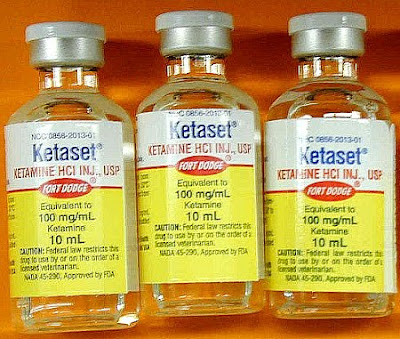
Ketamine: The Magic Treatment For Depression
Illegal Drugs

This animal tranquilizer, commonly referred to by the street name “special K,” has proven to be quite adept at treating clinical depression, even in persons who have not responded to other treatments. A Study by the Connecticut Mental Health Center found that 70% of their test group, none of whom had any luck with traditional depression treatments, responded positively to Ketamine treatment. Even more interesting was the fact that the drug was able to repair neuron connections in the brain that had previously been damaged by chronic stress. Ronald Duman, the senior author of the study, noted Ketamine “is like a magic drug -- one dose can work rapidly and last for seven to 10 days.”

Psychedelic Mushrooms: Treat Cluster Headaches and OCD
Illegal Drugs

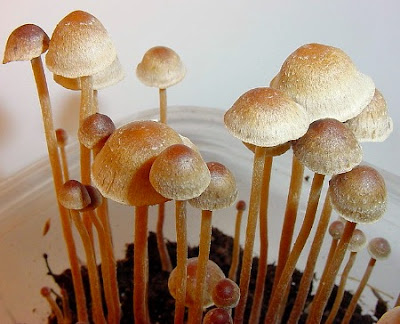
The psyclobin found in magic mushrooms has many similar effects as LSD, particularly when it comes to the treatment of cluster headaches. Just like acid, an amount too small to provide psychedelic effects can still relieve the pain and reduce the frequency of the headaches.
The drug is also promising in treating OCD. A University of Arizona study showed that those with the condition went through temporary remission and in one patient, the remission lasted for a full six months. While the researchers admit the study is not proof that the drug can serve as a treatment, they say it is promising enough to warrant further study.

Amphetamines: Treat Narcolepsy, ADHD and Aid In Stroke Recovery
Illegal Drugs

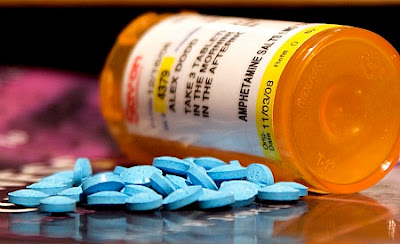
Amphetamines are currently used by the medical community to treat a handful of conditions, including narcolepsy and ADHD. The State University of New York reports that in some cases, they have also proven to be effective in treating depression and obesity.
One of the most surprising uses for amphetamines is the use of the drug to help stroke victims experience an expedited recovery. A study by the Karolinska Institute of Sweden has shown that the treatment may be very helpful for those who have been debilitated by a recent stroke.

Heroin: One Of The World's Greatest Pain Relievers
Illegal Drugs

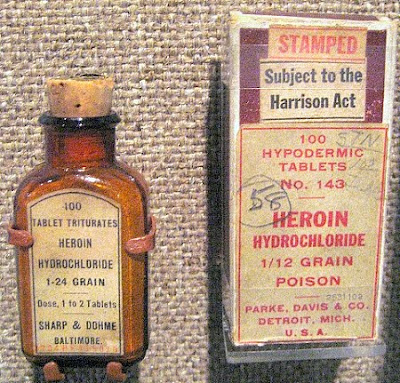
Like cocaine, heroin's effects were once touted to be a miracle cure-all. Although the drug's dangers are well-known, particularly its tendency for abuse, the drug is still one of the most effective and safest treatments for extreme chronic pain, like the suffering experienced by cancer patients. Medical literature has shown that it is much safer than other drugs given in its place, including the synthetic opiate oxycodone. Unfortunately, the federal government's complete ban on the drug prevents hospitals and other medical facilities from using the substance, even when it seems to be the only effective and safe pain management option.


Source

10 Mass Psychogenic Illness Cases

The Toxic Lady
10 Mass Psychogenic Illness Cases

Gloria Ramirez was a Riverside, California, woman dubbed “the toxic lady” by the media after exposure to her body and blood had sickened several hospital workers. She was rushed to hospital in 1994 suffering from the effects of cervical cancer. The medical staff who attended to her all began to feel ill and eventually fainted. Gloria’s body exuded a garlicky and fruity smell and her blood contained flecks of a strange substance like paper. The odd thing about this case is that of those who handled Gloria’s body or treated her, more women than men suffered from the ill-effects and everyone involved had normal results in blood tests. The health department issued a statement at the conclusion of their investigation which said that those who had become sick were, in fact, suffering from mass hysteria.

Tanganyika laughter epidemic
10 Mass Psychogenic Illness Cases

The Tanganyika laughter epidemic of 1962 was an outbreak of mass hysteria, believed to have occurred in or near the village of Kashasha on the western coast of Lake Victoria in the modern nation of Tanzania near the border of Kenya. It is possible that, at the start of the incident, a joke was told in a boarding school, and that this joke triggered a small group of students to start laughing. The laughter perpetuated itself, far transcending its original cause. The school from which the epidemic sprang was shut down; the children and parents transmitted it to the surrounding area. Other schools, Kashasha itself, and another village, comprising thousands of people, were all affected to some degree. Six to eighteen months after it started, the phenomenon died off. The following symptoms were reported on an equally massive scale as the reports of the laughter itself: pain, fainting, respiratory problems, rashes, and attacks of crying.

Penis Panic
10 Mass Psychogenic Illness Cases

A penis panic is a mass hysteria event or panic in which male members of a population suddenly experience the belief that their genitals are getting smaller or disappearing entirely. Penis panics have occurred around the world, most notably in Africa and Asia. Local beliefs in many instances assert that such physical changes are often fatal. In cases where the fear of the penis being retracted is secondary to other conditions, psychological diagnosis and treatments are under development. It is becoming increasingly clear that these forms of mass hysteria are more common than previously thought. Injuries have occurred when stricken men have resorted to apparatus such as needles, hooks, fishing line, and shoe strings, to prevent the disappearance of their penises. An epidemic struck Singapore in 1967, resulting in thousands of reported cases. Government and medical officials alleviated the outbreak only by a massive campaign to reassure men of the anatomical impossibility of retraction together with a media blackout on the spread of the condition.

The Dancing Plague
10 Mass Psychogenic Illness Cases

The Dancing Plague of 1518 was a case of dancing mania that occurred in Strasbourg, France (then part of the Holy Roman Empire) in July 1518. Numerous people took to dancing for days without rest. The outbreak began in July 1518, when a woman, Frau Troffea, began to dance fervently in a street in Strasbourg. This lasted somewhere between four to six days. Within a week, 34 others had joined, and within a month, there were around 400 dancers. Most of these people eventually died from heart attack, stroke, or exhaustion. Historical documents, including “physician notes, cathedral sermons, local and regional chronicles, and even notes issued by the Strasbourg city council” are clear that the victims danced. It is not known why these people danced to their deaths, nor is it clear that they were dancing willfully. You can read a much more indepth article on the dancing plague here.

Mumbai Sweet Water
10 Mass Psychogenic Illness Cases

The 2006 Mumbai “sweet” seawater incident was a phenomenon during which residents of Mumbai claimed that the water at Mahim Creek, one of the most polluted creeks in India that receives thousands of tonnes of raw sewage and industrial waste every day, had suddenly turned “sweet”. Within hours, residents of Gujarat claimed that seawater at Teethal beach had turned sweet as well. In the aftermath of the incidents, local authorities feared the possibility of a severe outbreak of water-borne diseases, such as gastroenteritis. The Maharashtra Pollution Control Board had warned people not to drink the water, but despite this many people had collected it in bottles, even as plastic and rubbish had drifted by on the current. By 2pm the following day, the devotees said that the water was salty again.

The Monkey Man of Delhi
10 Mass Psychogenic Illness Cases

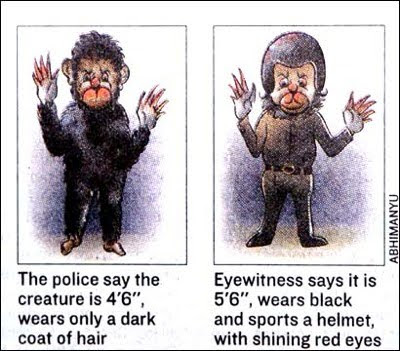
In May 2001, reports began to circulate in the Indian capital New Delhi of a strange monkey-like creature that was appearing at night and attacking people. Eyewitness accounts were often inconsistent, but tended to describe the creature as about four feet (120 cm) tall, covered in thick black hair, with a metal helmet, metal claws, glowing red eyes and three buttons on its chest. Theories on the nature of the Monkey Man ranged from an avatar of a Hindu god, to an Indian version of Bigfoot, to a cyborg that could be deactivated by throwing water on the motherboard concealed under fur on its chest. Many people reported being scratched, and two (by some reports, three) people even died when they leapt from the tops of buildings or fell down stairwells in a panic caused by what they thought was the attacker. More than 15 people suffered from bruises, bites, and scratches.

Soap Opera Hysteria
10 Mass Psychogenic Illness Cases

Morangos com Açúcar is a Portuguese youth soap opera, which is very popular in Portuguese communities, especially amongst children and teenagers, aiming to depict the adventures of typical Portuguese youths. In May, 2006, an outbreak of the “Morangos com Açúcar Virus” was reported in Portuguese schools. 300 or more students at 14 schools reported similar symptoms to those experienced by the characters in a recent episode. These included rashes, difficulty breathing, and dizziness, forcing some schools to close. The Portuguese National Institute for Medical Emergency dismissed the illness as mass hysteria. This story concerned some parents because of the major influence this series has on the kids and teens that watch, it was in newspaper and magazines articles and elsewhere.

June Bug Epidemic
10 Mass Psychogenic Illness Cases

In 1962 a mysterious disease broke out in a dressmaking department of a US textile factory. The symptoms included numbness, nausea, dizziness, and vomiting. Word of a bug in the factory that would bite its victims and develop the above symptoms quickly spread. Soon sixty two employees developed this mysterious illness, some of whom were hospitalized. The news media reported on the case. After research by company physicians and experts from the US Public Health Service Communicable Disease Center, it was concluded that the case was one of mass hysteria. While the researchers believed some workers were bitten by the bug, anxiety was likely the cause of the symptoms. No evidence was ever found for a bug which could cause the above flu-like symptoms, nor did all workers demonstrate bites.

20 Most Funny Medical Quotes

20 Most Funny Medical Quotes

1. “Have you ever been in therapy? No? You should try it. It’s like a really easy game show where the correct answer to every question is: ‘Because of my mother.’” - Robin Greenspan
2. “After a year in therapy my psychiatrist said to me, ‘Maybe life isn’t for everyone’.” - Larry Brown.
3. “The nice thing about meditation is that it makes doing nothing quite respectable.” - Paul Dean.
4. “If excessive smoking actually plays a role in the production of lung cancer, it seems to be a minor one.” - Dr WC Heuper (1954)
5. “As she lay there dozing next to me, one voice inside my head kept saying, ‘Relax, you’re not the first doctor to sleep with one of his patients’, but the another kept reminding me, ‘Howard, you are a veterinarian!’” -Dick Wilson.
6. “My doctor gave me six months to live, but when I couldn’t pay the bill he gave me six months more.” - Walter Matthau.
7. “A woman went to a plastic surgeon and asked him to make her like Bo Derek. He gave her a labotomy.” - Joan Rivers.
8. “She got her looks from her father: He’s a plastic surgeon.” -Groucho Marx.
9. “For the majority of people smoking has a beneficial effect.” - Dr Ian MacDonald (1963)
10. “Anyone who goes to a psychiatrist should have his head examined.” - Samuel Goldwyn.
11. “I was under the care of a couple of medical students who couldn’t diagnose a decapitation.” - Jeffrey Bernard
12. “First the doctor told me the good news: I was going to have a disease named after me.” - Steve Martin.
13. “No-one can feel as helpless as the owner of a sick goldfish.” - Kin Hubbard.
14. “There must be something to acupuncture.After all, you never see any sick porcupines!” - Bob Goddard.
15. “The operation was a complete success, but the patient died of something else.” - John Chiene
16. “I’m not feeling very well, I need a doctor immediately. Ring the nearest golf course.” - Groucho Marx
17. “A psychiatrist is a man who goes to a strip club and watches the audience.”- Merv Stockwood.
18. “Whiskey is by far the most popular of all remedies that won’t cure a cold.” - Jerry Vale
19. “I have the body of an eighteen year old. I keep it in the fridges” - Spike Milligan
20. “The art of medicine is in amusing a patient while nature affects the cure.”